Areas Of
Expertise
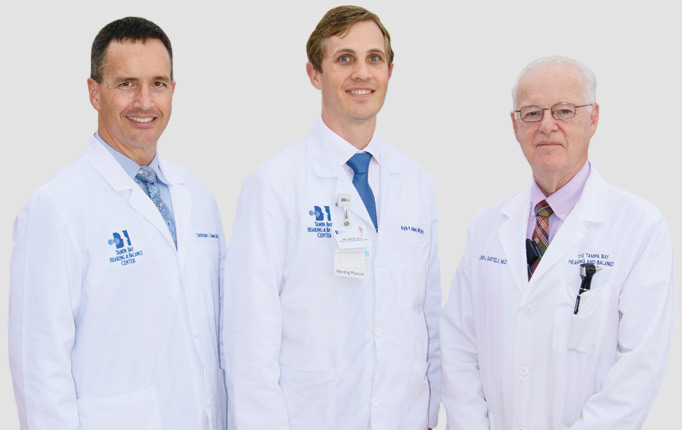
Our team of nationally recognized physicians have a combined 75 years of experience in the field of Otology, Neurotology, and Skull Base Surgery. Click on any of the items on the right for more information.
Meet Your Care Team
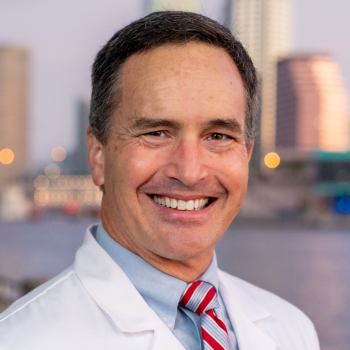
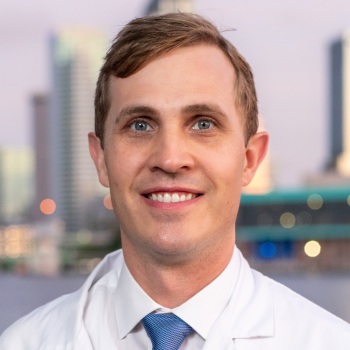
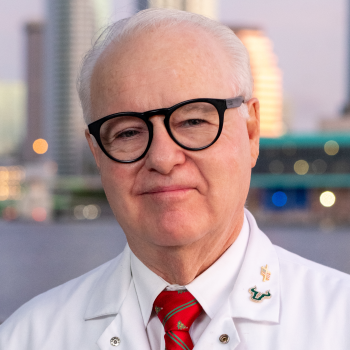
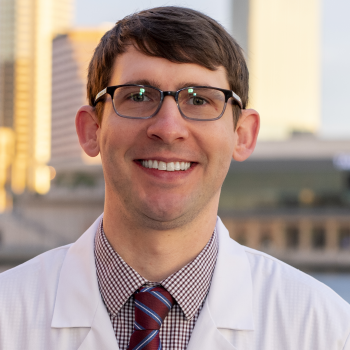
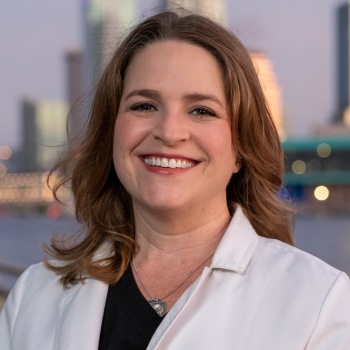
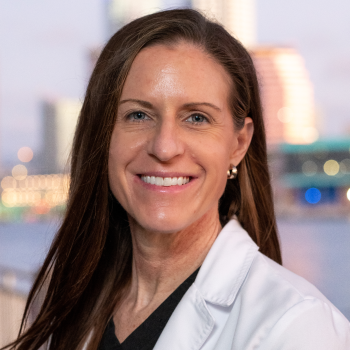
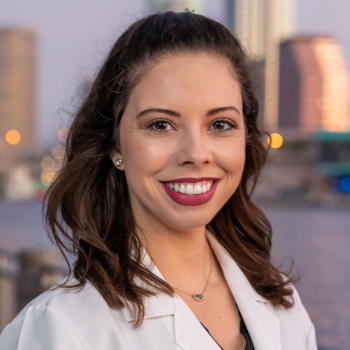
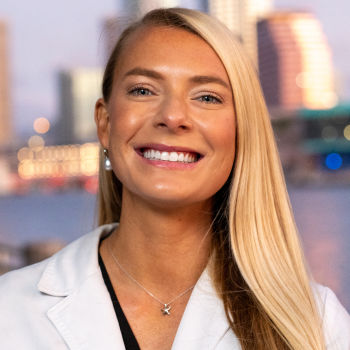
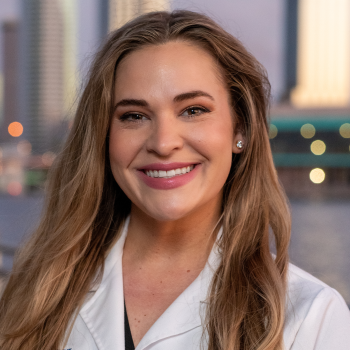
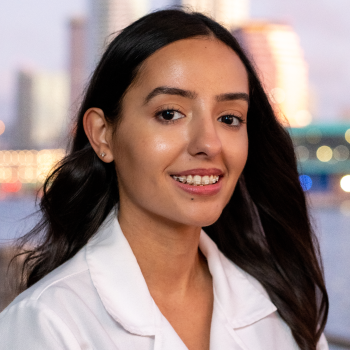
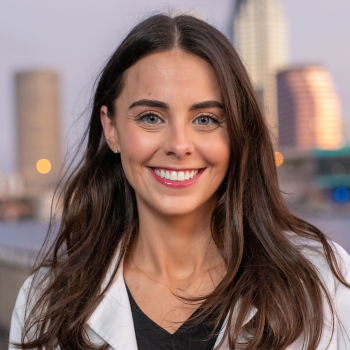
Why Choose Tampa Bay Hearing and Balance Center
Nationally Recognized
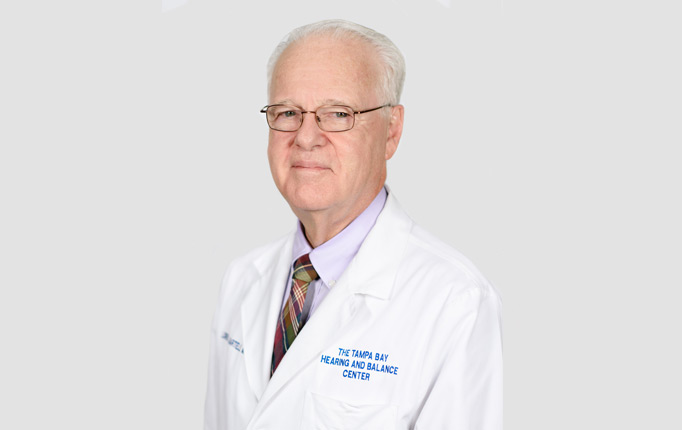
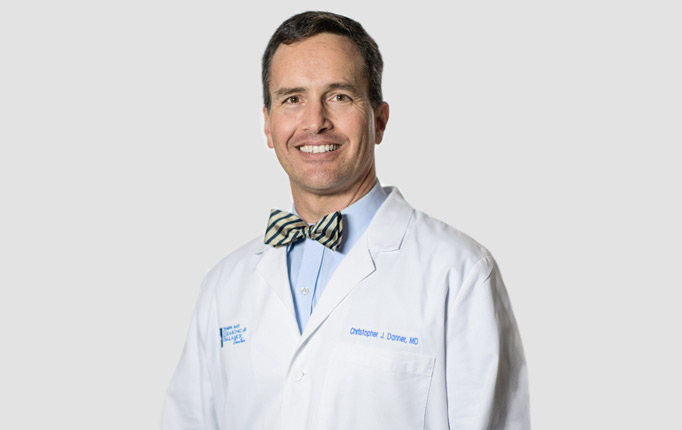
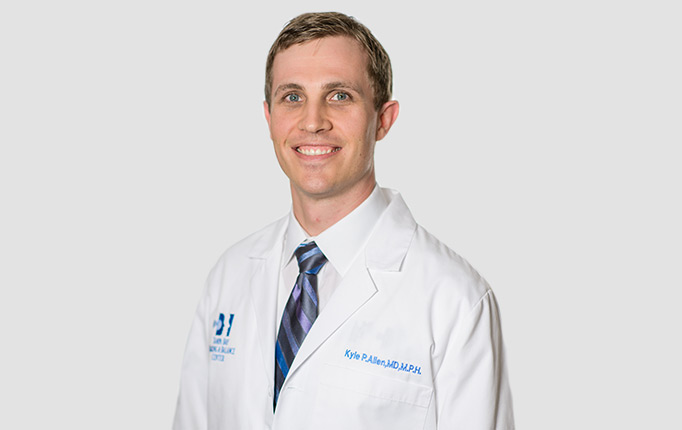
Our team of nationally recognized physicians have a combined 75 years of experience in the field of Otology, Neurotology, and Skull Base Surgery. Loren J Bartels MD FACS, Christopher J Danner MD FACS, and Kyle P Allen MD MPH run one of the busiest and most respected cochlear implant centers in the State of Florida creating a Best Doctors of America based practice. We are passionate about advancing the management and treatment of complex ear disorders.
Detailed and Personalized Care
Our physicians are well known for their patient focused and compassionate approach to medicine and will provide you and your family with the expertise you need and deserve to live a happier and more active life. From the point of scheduling your appointment all the way to checking out you can expect to receive friendly and personalized care from our providers as well as our incredible front office schedulers, medical assistants, and surgery schedulers. Our team puts an emphasis on treating every patient like family and our physicians will ensure ample time is spent so that you do not leave our office with questions regarding your options for treatment or management.
On-Site Testing
We provide a one-stop-shop for all your hearing and balance needs including hearing or dizziness testing to be done on-site with one of our incredible audiologists in addition to having the ability to perform most Computed Tomography (CT) Scans in office as well. Our team of physicians and audiologists will carefully examine your unique hearing needs and collaborate with you to find your best fit.
Serving Patients of All Ages
Our providers specialize in treatment for patients of all ages, from newborns to the elderly, performing complex procedures such as cochlear implants, bone anchored hearing aids, cholesteatomas, acoustic neuromas, and beyond.
News and Events
Tampa General Hospital named as the #1 hospital in Florida
We are thrilled to see Tampa General Hospital named as the #1 hospital in Florida and #16 in the United [...]
Read MoreDix Hallpike Test-Repositioning Right Side
Dr. Danner reviews what to do if a Dix Hallpike test shows positive results of BPPV on the Right [...]
Read MoreDix Hallpike Test- Repositioning Left Side
Dr. Danner reviews what to do if a Dix Hallpike test shows positive results of BPPV on the left side. [...]
Read MoreDix Hallpike Test
Dr. Danner demonstrates a Dix Hallpike Test that can be done at home. https://www.facebook.com/170979726272207/videos/262134548160549/ [...]
Read More